Powell River Top General Contractor for Reliable Building Solutions
General Contractor: Your Preferred Professional for Home Undertakings
A general contractor fulfills an crucial role in residential construction. They manage various aspects of construction, ensuring that all operations proceed without issues. Their knowledge in building codes and regulations allows them to handle the complexities of licenses and inspections. This professional serves as a vital link between homeowners and specialized tradespeople. However, many homeowners remain unsure about the complete range of their offerings. Understanding these details can significantly impact the outcome of any remodeling project.
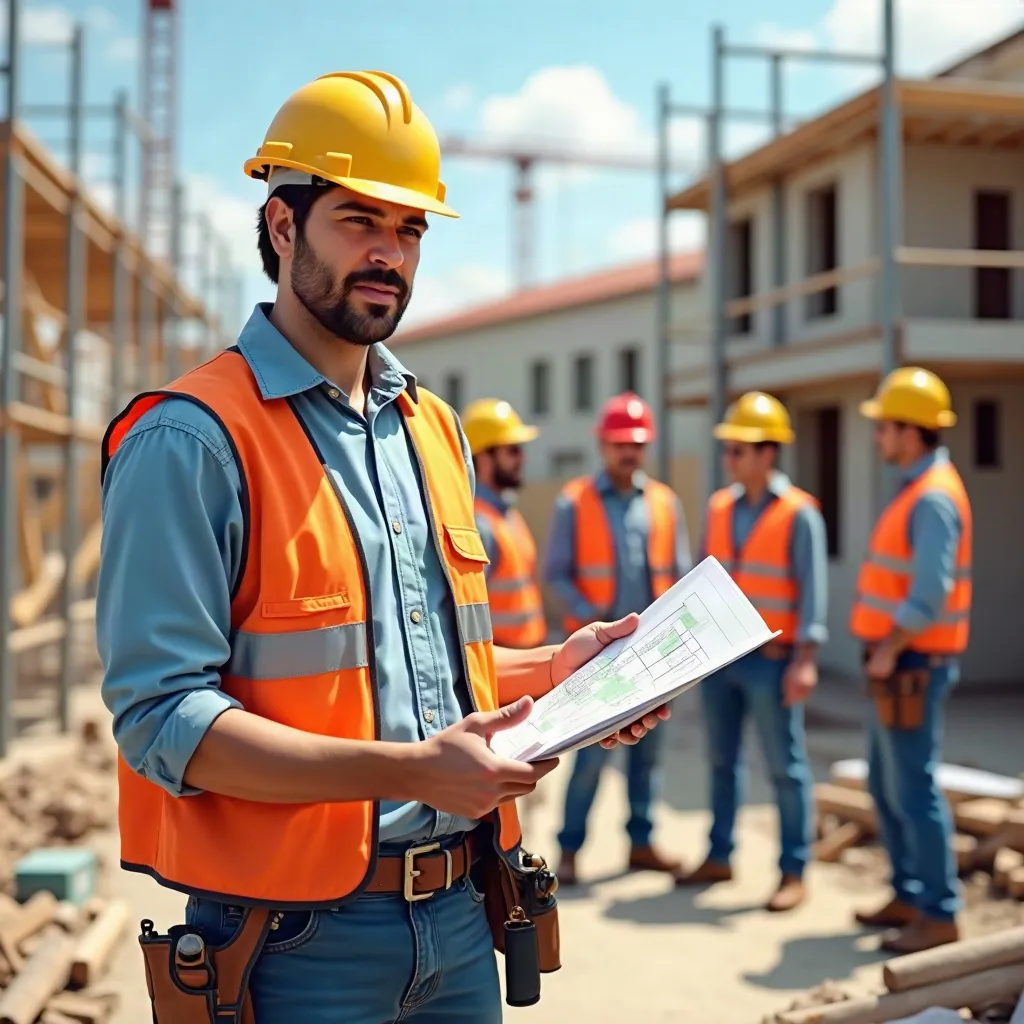
What Is the Role of a General Contractor Accomplish?
A construction manager orchestrates the various elements of a building endeavor, guaranteeing that everything runs smoothly from start to finish. They serve as the main liaison, overseeing communication between clients, subcontractors, and suppliers. This position includes planning the project timeline, coordinating labor, and ensuring compliance with regional construction standards and requirements.
General contractors are in charge of acquiring required licenses and arranging inspections, which are essential to upholding safety and quality benchmarks. They also handle budgeting, sourcing materials, and managing on-site activities to prevent any possible setbacks or complications. In addition, they supervise subcontractors, making sure that each phase of construction aligns with project specifications and timelines. Overall, a general contractor's knowledge and management abilities are crucial for delivering a successful construction project, transforming a client's vision into reality while managing multiple duties and obligations.
Benefits of Retaining a General Contractor for Home Improvements
Contracting a professional builder for residential upgrades provides numerous advantages that can greatly boost the quality and efficiency of the work. General contractors bring specialized knowledge in project management, ensuring that timelines are met and resources are allocated effectively. Their strong relationships with specialized contractors can generate superior pricing and superior workmanship, which ultimately helps property owners regarding both time and money.
Moreover, construction managers oversee the intricate details of licensing and compliance, reducing possible regulatory problems. They also offer a single point of contact, simplifying communication and coordination among various trades. This optimization reduces the chance for confusion and setbacks.
Furthermore, their experience allows them to anticipate potential challenges, facilitating proactive solutions to keep the project on track. By hiring a general contractor, homeowners can concentrate on their vision while experiencing peace of mind, understanding that a professional is managing every aspect of the renovation.
Debunking Myths About General Contractors
Many homeowners may hold misconceptions about general contractors, but understanding the realities can lead to more informed decisions. A prevalent myth is that hiring a contractor is not needed for minor projects; yet, their expertise can streamline even minor renovations, ensuring alignment with local codes. Another frequent belief is that contractors are simply middlemen, but they usually possess wide knowledge in various trades, allowing them to supervise projects successfully. Furthermore, some homeowners think that collaborating with a contractor will dramatically raise costs. In truth, a skilled general contractor can often attain better discounts for materials and labor due to firm relationships with suppliers and subcontractors. Lastly, many believe that contractors are unadaptable, but esteemed contractors emphasize client communication and work closely to fulfill specific needs. Cleared up myths can empower homeowners to make the most of the true value of general contractors in completing successful home projects.
How to Choose the Right General Contractor?
How can homeowners ensure they choose the best general contractor for their assignments? The process starts with comprehensive investigation. Property owners should obtain recommendations from friends, family, or online reviews to find potential candidates. Once a list is created, confirming credentials, such as licensing, insurance, and bonding, is essential to verify credibility.
Next, homeowners should solicit and assess samples of prior projects, focusing on projects similar in scope. Setting up interviews allows homeowners to determine suitability, discussing deadlines, finances, and goals. It's also advisable to obtain multiple quotes for comparison, providing a clear understanding of costs.
Reviewing references provides insight into a contractor's reliability and professionalism. Ultimately, relying on your gut feeling is crucial; an initial meeting can uncover a contractor's way of communicating and methodology. By following these steps, homeowners can markedly increase their chances of selecting a general contractor who suits their project needs and vision.
Effective Communication Strategies With Your General Contractor
Which strategies can homeowners implement to ensure effective dialogue with their general contractor? Initiating transparent discussion from the start is essential. Homeowners should explicitly state their needs, project objectives, and cost parameters during first meetings. Regular updates can be enabled through arranged conferences, ensuring that both parties remain coordinated throughout the project.
Applying written documentation, such as emails or project logs, reinforces spoken commitments and decreases confusion. Homeowners should likewise foster transparent dialogue by welcoming input and feedback from the contractor, establishing a collaborative environment.
Additionally, leveraging technology, like project management apps, can enhance communication by delivering a centralized hub for posting updates, timelines, and changes. Finally, showing consideration and friendliness can improve understanding, facilitating it easier for the contractor to share challenges or suggestions productively. By using these strategies, homeowners can foster a collaborative and transparent working arrangement with their general contractor.
How to Get Ready When Your Project Commences?
Once the initiative kicks off, homeowners can prepare for a surge of activity on-site. The prime contractor will coordinate crews of qualified professionals, including electricians, plumbers, and carpenters, who will start their duties following the established timeline. Homeowners may see construction equipment and supplies being moved in, establishing a bustling environment.
Keeping communication is critical during this phase. The contractor will furnish updates on progress and tackle any concerns that develop. Homeowners should prepare for possible disturbances, such as noise and limited availability to select areas of the home.
Safety protocols will be in place to protect both workers and residents, ensuring a secure context. Additionally, homeowners may be encouraged to maintain flexibility, as unforeseen issues can arise, prompting adjustments to the original plan. Overall, this initial phase initiates the foundation for the successful completion of the project, and active engagement is essential.
Basic Questions for Your Overall Contractor Understanding?
Identifying the appropriate questions to ask when completing a general contractor agreement is vital for guaranteeing a smooth project. Homeowners should question about the contractor's permit and insurance to validate their credentials and protection against losses. Understanding the project timetable and milestones is significant; therefore, asking about estimated completion dates helps manage expectations.
It is also critical to set payment terms, comprising deposit amounts and payment arrangements, to circumvent misunderstandings. Property buyers should require a detailed breakdown of costs, examine this material covering materials and work, to confirm transparency. Furthermore, exploring the framework for tackling changes or unforeseen issues can forestall tensions going forward.
Finally, property owners should obtain information regarding subcontractors and their credentials, as well as the communication plan of the contractor throughout the project. By exploring these topics, property owners can create a strong partnership with their general contractor, ultimately resulting in a successful home renovation.
Commonly Posed Questions
What Methods Do General Contractors Use to Invoice for Their Services?
General contractors typically bill through set prices, per-hour charges, or a portion of the overall project expense. Their costs may also include supplies, work, and operational expenses, depending on the project's complexity and scope.
Can a General Contractor Provide Help With Permits and Examinations?
Yes, a general contractor can assist with securing permits and overseeing inspections. They typically navigate local codes and ensure compliance, streamlining the process for homeowners while enabling necessary authorizations throughout the building project.
What Background Should I Review in a General Contractor?
When identifying a building contractor, one should consider professional standing such as appropriate licensing, proper insurance coverage, track record with matching projects, strong references, and excellent communication competencies, verifying they possess the requisite proficiency to manage the project successfully.
What is the Timeline of a Typical Home Renovation Project?
A ordinary home remodeling job can span anywhere from a few weeks to several months, contingent upon the breadth, difficulty, and size of the project, as well as the availability of materials and labor.
What Takes Place if My Project Overshoots Spending Cap?
Should a project go over budget, the builder typically discusses the reasons and options with the property owner. Adjustments may involve scaling back, pursuing more funds, or adjusting the project parameters to conform to budget constraints.